

Sustainable automation is reshaping manufacturing, but many plants struggle to balance green manufacturing with productivity. You need strategies that cut energy use without slowing operations. This guide highlights practical steps for implementing sustainable automation that deliver strong returns, backed by SMT Automation’s ISO-certified, minority women-owned expertise in FANUC system integration and lifecycle support. For more insights, visit this resource on sustainable manufacturing strategies.
Sustainable Automation Strategies
Energy-Efficient Robotics
Robots save energy and boost productivity. You can cut costs and lower your carbon footprint by using energy-efficient robots. These robots are designed to consume less power while performing the same tasks. They not only help with cost reduction but also contribute to a cleaner environment. Over time, this translates to significant financial savings and a reduced carbon footprint.
By investing in newer robotic solutions, you’re taking a step toward more sustainable production. Robots also offer precision, reducing waste in your processes. The longer you wait, the more savings you miss. Learn how automation enhances energy efficiency.
Collaborative Robots for Safety
Collaborative robots, or cobots, work alongside humans to enhance safety. These machines are designed with advanced sensors that prevent accidents. Workers feel safer, and productivity often increases. Cobots can handle repetitive tasks, allowing your team to focus on higher-level work. This not only boosts morale but also enhances product quality.
Cobots are easily integrated into existing lines without major changes. They’re flexible and can adapt to different tasks quickly. Your team can train them for new jobs without extensive downtime. This adaptability saves time and money, ensuring safer and more efficient operations.
Regenerative Drives and Controls
Regenerative drives help lower energy consumption during production. They capture and reuse energy that would otherwise be wasted. Using regenerative controls ensures you harness maximum energy while minimizing waste.
These systems also aid in maintaining consistent performance. They make your equipment last longer by reducing wear and tear. Over time, you get more value from your equipment and lower maintenance costs. This not only improves your bottom line but also supports your green goals.
Green Manufacturing Practices
ISO-Certified Automation Benefits
ISO certification provides a mark of quality and sustainability. Companies with this certification often have an edge. They ensure that your automation processes are efficient and environmentally friendly. Choosing ISO-certified partners like SMT Automation assures you of reliable and sustainable services.
ISO standards help you optimize resources and reduce waste. They also ensure compliance with international regulations. This certification boosts your reputation and attracts eco-conscious clients. Investing in ISO standards means committing to quality and sustainability.
Low-Carbon Manufacturing Techniques
Reducing carbon emissions is vital for sustainable manufacturing. Low-carbon techniques focus on minimizing greenhouse gases. They often involve using renewable energy sources and optimizing production processes. By adopting these methods, manufacturers can significantly reduce their carbon footprint, contributing to global environmental goals.
For example, switching to solar energy for machinery can cut emissions by a notable margin. The upfront investment pays off through energy savings and improved brand image. Clients value companies taking steps toward sustainability, enhancing your market position. Explore sustainable manufacturing strategies.
Waste Reduction and Circular Economy
Waste reduction is crucial for sustainability. A circular economy approach focuses on reusing materials instead of discarding them. This method reduces landfill waste and promotes recycling. Implementing a circular economy strategy can lower waste disposal costs and extend the lifecycle of materials.
In a circular system, products are designed for durability and recyclability. This reduces the need for new resources, saving energy and resources. By adopting this approach, you contribute to a more sustainable future while enjoying cost benefits. Learn more about sustainable practices.
Advanced System Integration
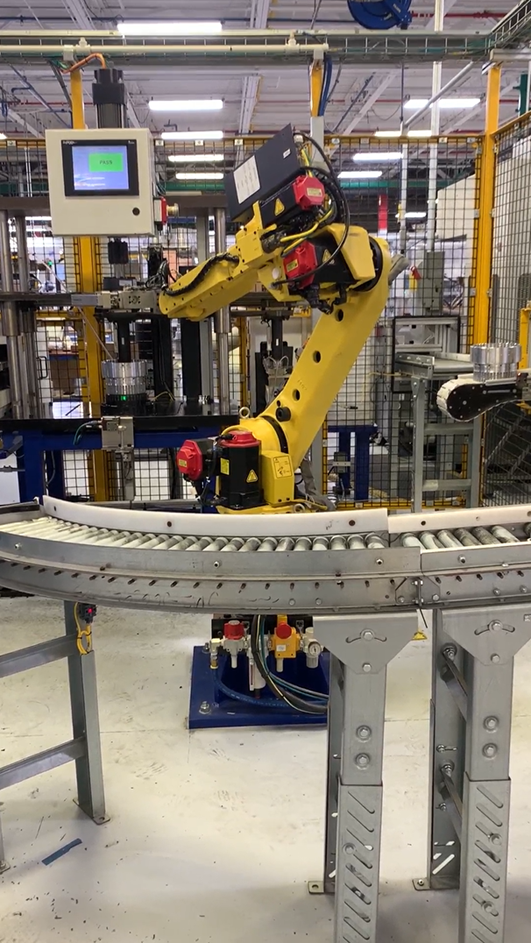
FANUC System Integration Insights
FANUC systems offer state-of-the-art automation solutions. Integrating these systems improves productivity and reduces energy consumption. With FANUC integration, you can automate complex tasks effortlessly. This leads to faster production times and less human error.
FANUC’s reliability ensures fewer breakdowns, saving you costly repairs. Their systems are also designed to be energy efficient, reducing your environmental impact. Partnering with a FANUC-certified provider guarantees expert implementation and support.
PLC Programming and Smart Sensors
PLC programming enables precise control over automation processes. This leads to more efficient operations and lower energy use. Smart sensors provide real-time data, helping you monitor and adjust processes quickly. They detect issues early, preventing costly downtime.
Smart sensors support predictive maintenance, reducing unexpected failures. By analyzing sensor data, you can optimize machine performance. This not only extends equipment life but also improves overall efficiency.
SCADA and MES Integration
Integrating SCADA and MES systems enhances operational control. SCADA allows for real-time monitoring of production processes. MES systems manage and optimize manufacturing operations. Together, they provide a comprehensive view of your production, enabling better decision-making.
These systems help in tracking production metrics and identifying areas for improvement. Enhanced data visibility leads to more informed decisions. Integrating these systems ensures smoother operations and boosts productivity. Discover more about advanced system integration.
By adopting these strategies, you position your business for success. Embrace change, and see how sustainable automation can transform your operations.